

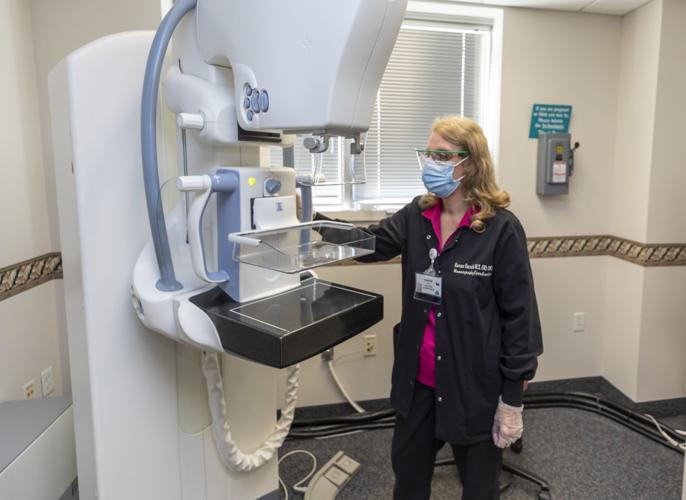
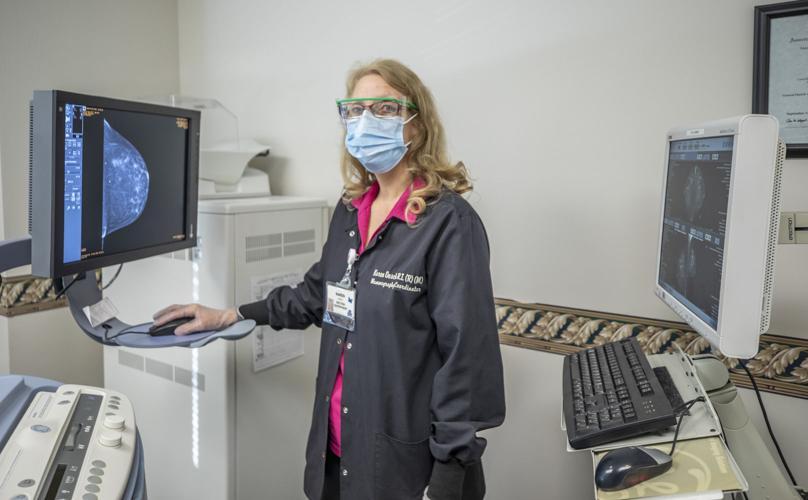
Watch now: Decatur Memorial Hospital's Karen Oesch
DECATUR — In the early days of the COVID-19 pandemic, women delayed getting their annual screening mammograms.
That's no longer the case, said Central Illinois breast health professionals, who are relieved that women again are making their breast health a priority and gratified that women feel safe returning to medical facilities for their annual mammograms.
"Screening mammograms save lives," said Karen Oesch, mammography coordinator at the Decatur Memorial Hospital Breast Center. "It's a proven fact."
People are also reading…
During the first several weeks of the pandemic, as medical facilities focused on treating patients with COVID-19 and other life-threatening conditions, screening mammograms were delayed, although mammography continued for women who detected lumps in their breasts.
When screening mammography returned, a question was whether women due or overdue for screening mammograms also would return.
"We were concerned" that some women would want to delay further, Oesch said.
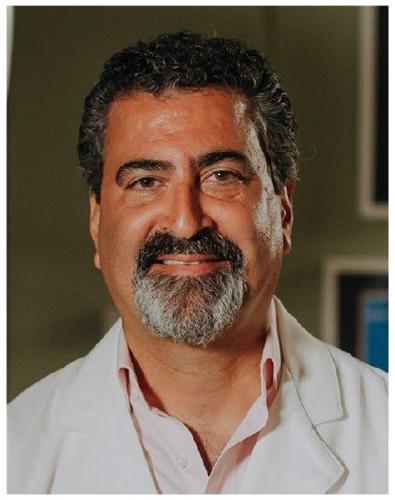
"During the early months of the disease (COVID), women were definitely putting off their mammograms as many people were putting off their routine health care," said Dr. Daniel Roubein, medical director of radiology at HSHS St. Mary's Hospital in Decatur.
"Within the last couple of months, that has begun to turn," he said.
Barb Swanson reassures patients that breast cancer screenings can continue in the time of coronavirus.
What prompted women to return for their yearly mammograms wasn't just their commitment to breast health but their confidence that medical facilities had taken steps to reduce the risk of COVID-19, several medical professionals said.
"We expressed to patients that coming to the hospital is not dangerous," Roubein said.
Representatives of several Central Illinois mammography facilities said they have taken steps, including:
- Spreading out patient appointments to get patients in and out quicker and so there are fewer people in the waiting room.
- Not allowing patients in waiting rooms to sit beside each other.
- Taking temperatures and screening patients and staff for COVID symptoms and requiring anyone with symptoms to leave.
- Making sure patients are properly wearing masks. If they don't have one, they are supplied with one.
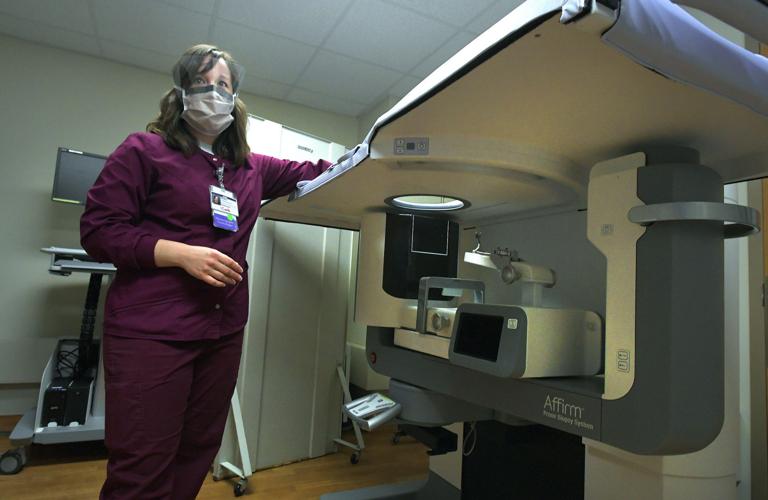
- Mammogram techs wearing procedure masks and goggles or face shields when they are around a patient.
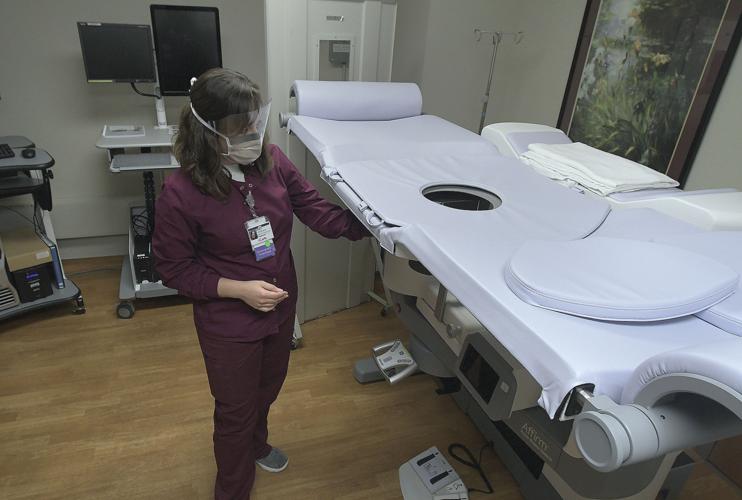
- Mammogram techs cleaning every surface touched by a patient between each patient.
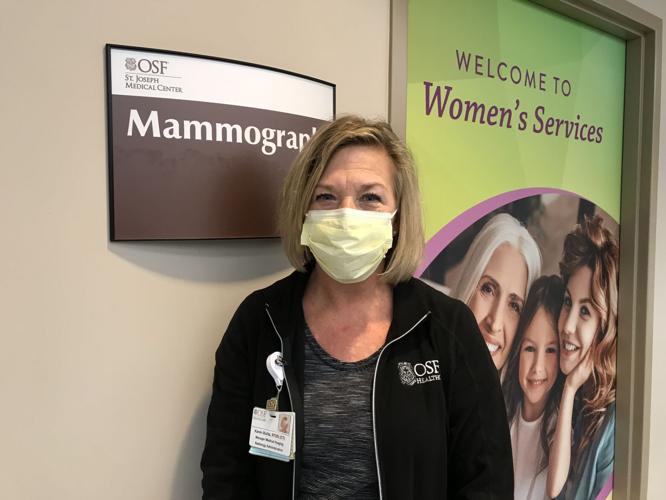
"Cleaning, cleaning, cleaning between patients," said Karen Builta, manager of medical imaging for OSF HealthCare St. Joseph Medical Center and College Avenue Imaging Services, both in Bloomington. "It's what we've always done."
But cleaning now is to a new level because all surfaces, not just mammography machines, are cleaned.
"When they (patients) leave, we follow them and clean the doorknobs and chairs," explained Barb Swanson, coordinator of mammography at Carle BroMenn Medical Center in Normal and Carle BroMenn Outpatient Center in Bloomington.
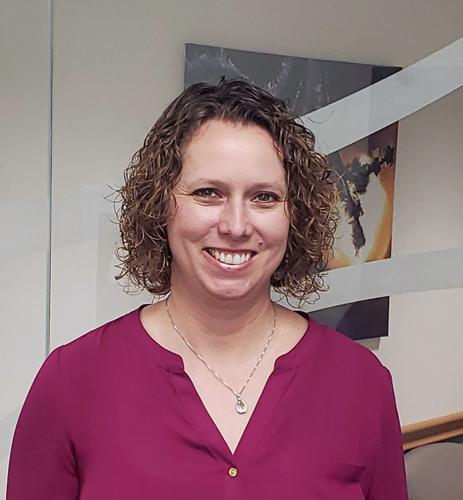
"The patients are grateful" of the safety steps, said Karla Rauch, diagnostic imaging manager with Sara Bush Lincoln Health System in Mattoon. "At the beginning, they kept away. Now they realize it's a safe place to be."
What about women at low risk of breast cancer who, because of COVID concerns, have decided to skip their mammogram this year?
"I respect their concerns," Roubein said. He encouraged women to call their mammography center and ask how their concerns may be addressed.
"But I wouldn't wait six months," he said. "It's important for us to keep up with diseases that aren't COVID."
Oesch said "I would tell women 'We don't want you to skip a year. Let's get it done before the end of the year.' When you skip a year, it's kind of easy to keep skipping. The next thing you know, it's been five years."
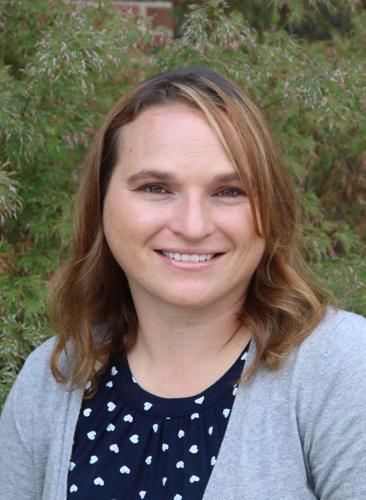
"Even women at low risk still get breast cancer," said Lisa Lowry, breast health navigator at Carle Cancer Institute-Normal, formerly the Community Cancer Center. "It's important for women to get yearly mammograms. The sooner we find something (a lump that may be caused by cancer), the better."
"An annual screening mammogram is the best way to reduce the risk of sickness and death due to breast cancer," Roubein said.
"COVID is a reality but we want people to know that we have a safe environment for them to come in and we appreciate the ability to provide care for them during this unusual time that we all are experiencing," Builta said.
For woman who insist on no mammogram this year, Swanson said "I would encourage them to pay attention to how their body looks and feels. They should do their monthly breast self-exams. If their breast feels different, they should reach out to their doctor. If not, we hope to see them next year."
PHOTOS: Central Illinois face mask selfies
PHOTOS: Central Illinois face mask selfies
Alex Juarez

Amy Garry

Andrea Anderson Stewart

Barbara Leigh

Brittany Brackney

Dawn Kelley-Lett

Glennda Knauer

Heather J. Hardman

Jordon Hanshew

Katie Harness
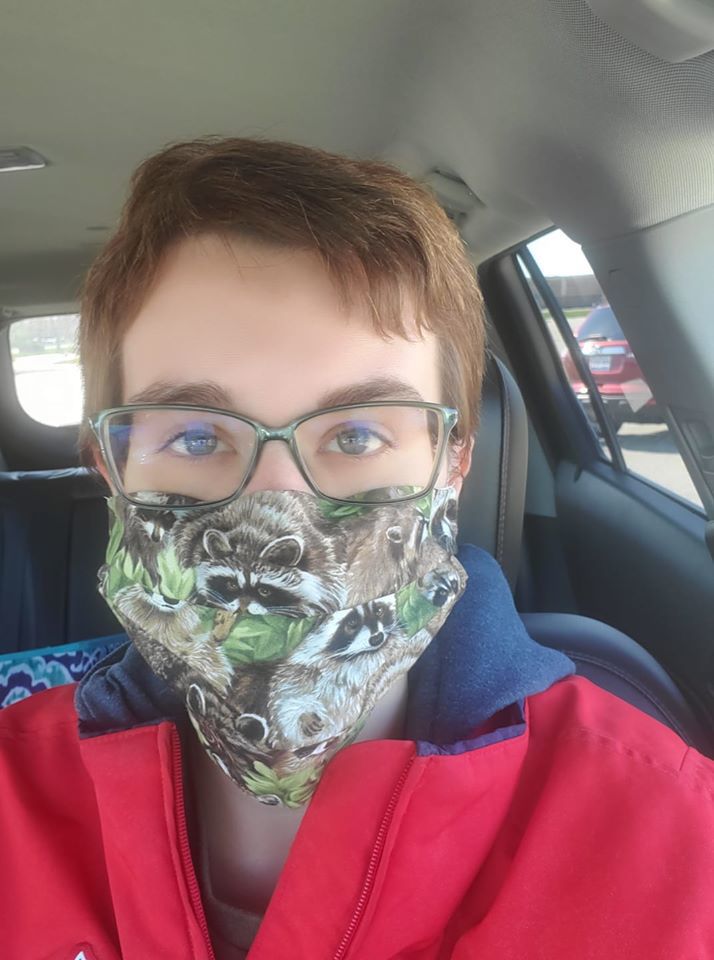
Mary Huff Moser

Melissa Tucker-Marx

Molly Krause

Pam Burress

Peg Schad

Peggy Karr Tippett

Peggy Stiles

Randi Meyer

Randy Wahls

Renee Chee Metternick

Renuka Rsr

Rhiannon Rowland

Rhonda Houk

Ryan Bliss

Scott May

Shannon Frerichs Laesch

Wanda Preston.jpg


Roubein

Builta

Rauch

Lowry
Contact Paul Swiech at 309-820-3275. Follow him on Twitter: @pg_swiech.

Paul Swiech
Health Reporter