Once winter descends on Illinois, there are many people who pack up and head south to escape the cold and snow. Humans are not the only ones who move to warmer climates when things get chilly; many species of animals in Illinois also migrate to wait out the frigid temperatures. Migration is the seasonal movement of animals from one area to another. It is usually driven by the need to find food, escape inadequate temperatures, or find breeding grounds.
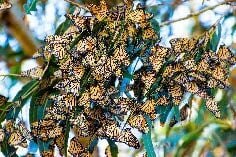
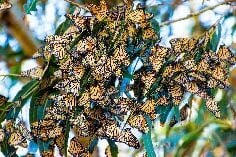
Monarch butterflies or seasonal bird migrations are sometimes the first things people think of when they hear the term “migration.” Monarch migration is a multigenerational one: the first generation leaves Mexico, heading north into the United States where they lay eggs. A few more generations will be born throughout the summer, followed by one final generation that makes the long flight south back to Mexico to overwinter. The monarchs flying south have never seen their ancestral home before.
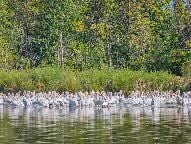
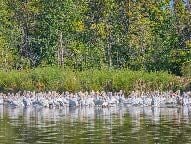
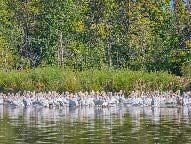
Avian migration takes place approximately August 1 through November 30. Up to 45 million birds fly over Illinois each night, making their way south to find food and warmer weather. One of the more popular species people look for in the area are American white pelicans. There are large flocks that congregate on Lake Decatur while heading toward the Gulf of Mexico. On the other hand, species like the bald eagle are migrating into Illinois around November and December to spend their winter here.
When we hear “mammal migration,” we may picture large herds of zebra crossing the Serengeti. However, we have a few migrating mammals of our own here in Illinois: bats. There are 13 species of bats that call Illinois home, and of those, at least six species are known to migrate. Most species migrate to southern parts of the state to hibernate, where it is just warm enough to support them while they overwinter. One bat that is a little different is the hoary bat. This species will travel more than 1,200 miles to southern California and northern Mexico.
Whether bat or butterfly or bird, many animals go to great lengths to survive the winter. While we miss seeing them during the colder months, it gives us something to look forward to when the world begins to thaw in the spring.
This content is sourced from
Macon County Conservation District
. It reflects the author's views and has not been edited by our newsroom. It may have been generated using AI assistance.