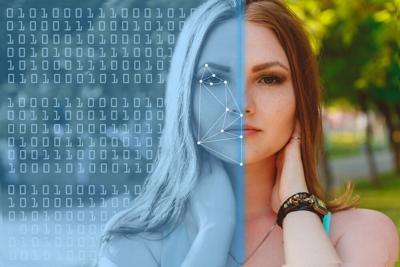



Photo provided by DepositPhotos
AI-generated stock photos are becoming increasingly realistic and difficult to spot. New research shows that most people cannot reliably tell the difference between an authentic image and one created by artificial intelligence.
In large-scale experiments, participants were asked to label a series of images as “real” or “AI-generated.” On average, they guessed correctly just 62% of the time, barely better than chance.
This shift has big implications for content creators, marketers, and designers who rely on stock photo platforms like Stockcake for high-quality imagery. As more AI-generated content enters the mix, the challenge of maintaining visual credibility grows.
Why people can’t always spot fakes
People are also reading…
Advances in AI image generation have made synthetic photos nearly indistinguishable from real ones. These tools now recreate the fine details of lighting, textures, and depth, where earlier models often fell short.
That realism is confusing even for experienced viewers. In one study, people struggled to identify generated images, particularly when the photos didn’t feature people. Images of nature scenes, architecture, and everyday objects were especially deceptive.
While people do slightly better at recognizing AI-generated portraits, accuracy still remained modest. A benchmark study showed 39% of all images were misclassified, with many participants expressing confidence in their incorrect choices.
Familiar clues no longer work
We've been taught to look for AI clues like odd proportions or unnatural lighting. As the technology improves, those signs are becoming harder to find.
In one experiment, participants were given tips for spotting AI-generated visuals. It didn’t help. Even with guidance, detection rates showed little improvement. This shows that instinct and visual intuition are no longer enough.
AI-based detection tools, trained to recognize patterns invisible to humans, are outperforming people at identifying fake images. These tools are still in development and not yet widely accessible.
When synthetic images fool us the most
Human portraits are still the easiest for people to judge. That’s likely because we're naturally tuned to notice small inconsistencies in faces. But even here, AI has closed the gap.
The bigger challenge is with inanimate subjects: buildings, landscapes, food, or abstract visuals.
These images lack familiar reference points, making them harder to evaluate. Studies confirm accuracy drops when people assess photos without human elements.
What this means for visual content and trust
As AI-generated stock images become more common, the ability to distinguish between real and artificial content matters more than ever. This is especially true in industries like advertising, journalism, and education.
Viewers may assume they're looking at real-world images when they're not. That uncertainty can damage trust, particularly when visuals influence decision-making.
Some researchers and companies are working on solutions, including watermarking synthetic images or embedding origin data. Adoption remains limited, and the pace of AI development continues to increase.
A shift in visual perception
The main takeaway is clear: most people can’t rely on instinct to tell whether an image is real. This reflects a broader change in how we view and interact with images, especially when synthetic content is created so easily.
Content creators and publishers may need to use clearer disclosures. Whether it’s visible labels or background metadata, transparency helps maintain credibility.
These findings point to a cultural shift. The line between real and artificial is no longer obvious. As AI tools continue to grow, building and maintaining trust in visual content becomes more critical than ever.