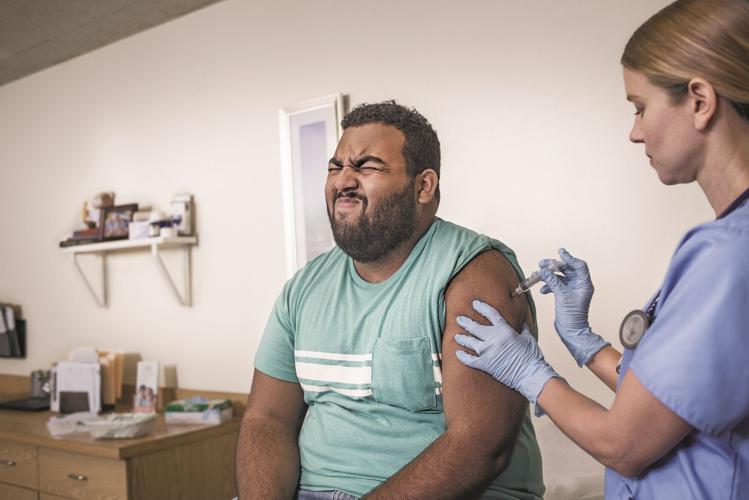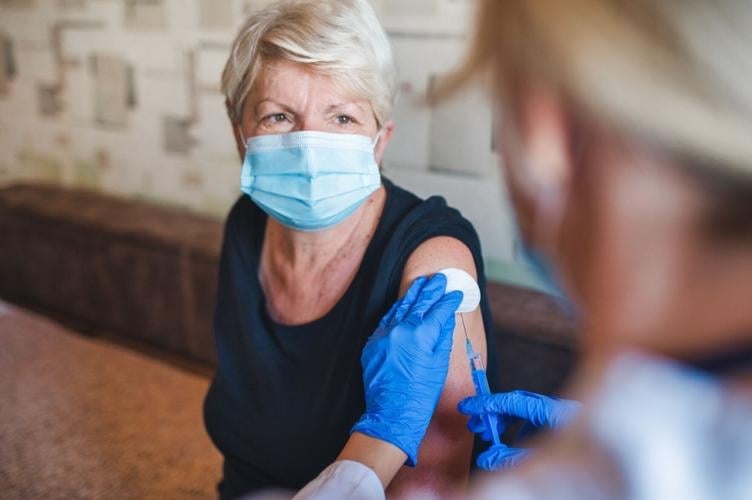



You’ve likely heard a lot about immunizations lately. It’s a good reminder to make sure you and your family are up to date on all your routine vaccines.
You can get them at doctors’ offices, some pharmacies and other locations. If you have a primary care provider, make sure they’re updated on any shots you receive outside their offices.
Who needs vaccines?
People need vaccines throughout our lives to help protect against serious diseases. Different vaccines are recommended for children, teens and adults. The right vaccines at the right time can help keep people of all ages healthy. What vaccines you need depends on factors like age, health problems, jobs and travel. Some examples:
- Children and young adults should get the HPV vaccine, which protects against some cancers.
- All adults are encouraged to get the flu vaccine every year and stay up to date on the Td or Tdap vaccine, a booster for tetanus, diphtheria, pertussis (whooping cough) and a COVID-19 vaccine.
- Healthy adults age 50 and older need the shingles vaccine. It also protects against complications from the disease.
- The pneumonia vaccine is recommended for older adults and all adults who have a health issue that makes their immune system weak.
Immunizations are a vital step to protect people at risk, such as the very young, the very old, and people with weak immune systems or serious illnesses. Some people who are at risk can’t get immunizations. When people who can get vaccinated do, everyone is better protected.
Learn about adult diseases that vaccines can help prevent.

Germs are world travelers
Vaccine-preventable diseases are still around, even the ones that aren’t currently common in the U.S. And they can be spread to people who haven’t been vaccinated. Talk to your doctor at least six weeks before your trip to allow time for any recommended or required vaccinations.
Are vaccines safe?
Before a vaccine is approved for use in the U.S., it goes through testing to make sure it is safe and works well. The U.S. Food and Drug Administration evaluates the results of clinical studies. Safety is watched during use. Like other medicines, vaccines can cause side effects. They are mostly mild.

What are the guidelines for adults and children?
Check out these Adult Wellness Guidelines to see the recommended vaccinations. Adults with chronic health problems like asthma, COPD, heart disease and diabetes are more likely to get complications from certain diseases. If you have chronic health issues, make sure you know what vaccines you need.
Review these Children’s Wellness Guidelines to help follow a vaccine schedule. It’s designed to protect against serious diseases, like polio, whooping cough and mumps. Those diseases can result in a hospital stay or even death. It’s important to make sure your child is fully vaccinated against these vaccine-preventable diseases. That means finishing the whole series of recommended vaccines at the right time.
Don’t put off vaccinations for yourself or your child. Talk to your doctor if you have concerns.
About the author
Dr. Derek J. Robinson serves as vice president and chief medical officer at Blue Cross and Blue Shield of Illinois, where he is responsible for clinical leadership, care management operations and the Institute for Physician Diversity.